

A higher duty rarely needs a new heat exchanger
When a plant debottlenecks, adds a production line, or a utility loop has to carry more load, the first assumption is usually that the exchanger has to be replaced. For a gasketed plate heat exchanger that assumption is often wrong. The unit is a stack of identical plates clamped inside a frame, and its duty is a direct function of how many plates are in that stack and what corrugation those plates carry. Adding plates — or fitting a pattern with a different chevron angle — can lift the heat load considerably, using the frame that is already bolted to the floor.
The real question is not whether plates can be added, but whether the frame and the connections will allow it. That is answered by three limits, and the lowest one governs.
Three ceilings, and the lowest one governs
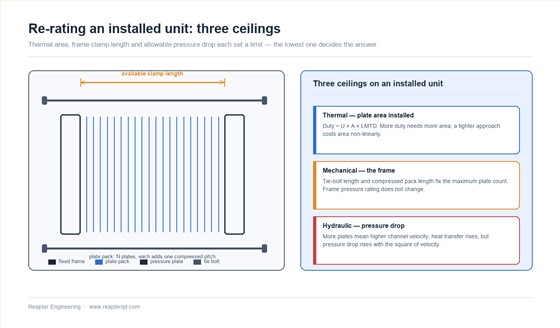
An installed plate heat exchanger is bounded on three separate sides. Re-rating is the work of finding which one runs out first.
- Thermal — the plate area installed. Heat load is proportional to heat-transfer area and to the effective temperature difference. If the duty grows, the area has to grow with it, and the area is set by the plates already in the frame. The relationship is not linear: as the required temperature approach between the two streams tightens, the area needed rises sharply, which is why the last few degrees of approach are the most expensive ones in the whole calculation.
- Mechanical — the frame. The tie bolts have a fixed length, and every plate adds a known compressed pitch to the pack, so the frame sets a hard maximum on plate count. The pressure rating is fixed as well: adding plates does not raise it, and a proposal that takes a unit past the rating on its nameplate is not a re-rating, it is a redesign.
- Hydraulic — pressure drop. For the same flow, more plates mean higher channel velocity. Heat transfer improves, but channel pressure drop rises roughly with the square of velocity, and pressure drop through the ports rises with it. In many re-rating projects the allowable pressure drop is reached well before the frame is full — which is why the hydraulic check belongs before the order, not after it.
Four levers, and what each one costs
Within those three ceilings there are four ways to deliver more duty from a unit that is already installed. They are listed from the least to the most disruptive.
- Add plates of the same pattern. The cheapest and the most reversible option. The geometry is unchanged, so the plates drop straight onto the existing carrier bar, reuse the existing gasket system, and need no new frame or pipework. The limit is clamp length on one side and pressure drop on the other.
- Re-arrange the pass configuration. The same plates can often be re-stacked into a different number of passes, which changes channel velocity and the effective temperature difference without buying new hardware. It is useful when the two streams have very different flow rates, or when one side is running at too low a velocity. It is a design change rather than a parts change, but it costs nothing in materials.
- Change to a harder plate. A larger chevron angle transfers more heat per unit of area, at a higher pressure drop. Where the frame cannot take more plates, a pattern change can deliver the duty in the same footprint — and the price is paid entirely in hydraulics.
- A larger frame, or a second unit. When the clamp length and the pressure-drop budget are both exhausted, this is the honest answer. A re-rating proposal that reaches this point should say so, and show the calculation that says so.
The trade-off in numbers
The four levers differ in what they change and in what they cost. Comparing them side by side is the quickest way to see which one applies to a given duty.
| Lever | Effect on heat transfer | Effect on pressure drop | Hard limit | Fits when |
|---|---|---|---|---|
| Add plates, same pattern | Rises with added area | Rises with channel velocity | Frame clamp length | Modest duty increase, pressure-drop budget available |
| Re-arrange passes | Changes with LMTD and velocity | Can rise or fall | Port and frame rating | Asymmetric flow rates, or low velocity on one side |
| Harder plate (larger chevron angle) | Higher per unit of area | Rises sharply | Allowable pressure drop | Frame already full, footprint fixed |
| New frame or second unit | Design-dependent, unrestricted | Design-dependent | Project budget | Clamp length and pressure drop both exhausted |
A practical decision sequence
A re-rating is decided from operating data, not from the original data sheet. The original data sheet describes the duty the unit was bought for; the re-rating has to describe the duty it is being asked to do now.
- Measure the actual duty. Record flows, inlet and outlet temperatures and fluid properties for both sides, over a period of steady operation rather than a single reading.
- Establish the installed condition. Note the plate count, plate pattern, chevron angle, plate thickness and gasket type from the nameplate or, if it is missing, from one plate removed from the pack.
- Recompute the required area. Work out the area needed for the new duty at the installed chevron angle, and compare it with the area already installed. The gap is what the re-rating has to close.
- Check the frame. Confirm the maximum plate count the clamp length allows, and whether the tie bolts can take up the added pack. Confirm the frame and connection ratings still cover the new pressure and temperature.
- Check the hydraulics. Calculate channel and port pressure drop at the new flows, against the allowable pressure drop on each circuit. This step decides most re-rating projects.
- Confirm the materials. Check that the plate alloy and the gasket elastomer are still valid at the new temperature, pressure and fluid concentration. A higher duty often means a higher temperature on one side.
- Order, open, add, re-torque. Supply plates and gaskets matched to the installed pattern, open the frame, add the plates, and close the pack to the specified compressed length — not to the position it happened to be in before.
When re-rating is the wrong answer
Not every unit should be re-rated, and a supplier who will not say so is not being useful. Re-rating is the wrong answer when the ports are already at their practical velocity limit, when the frame is at its pressure rating, when the gasket elastomer cannot take the higher temperature, or when the required approach has become so tight that the area would have to roughly double. In those cases a new or additional unit is usually cheaper than the consequences of operating an existing one outside its design envelope — and a proper re-rating study establishes that early, from numbers, before plates are ordered.
Common questions
Can plates simply be added to an installed unit?
Yes, in most cases, provided the frame clamp length allows the extra pack and the pressure drop stays within the allowable on both circuits. The added plates must match the installed plate pattern dimension for dimension, and each additional plate needs a gasket matching the existing system.
How much extra duty can a unit take?
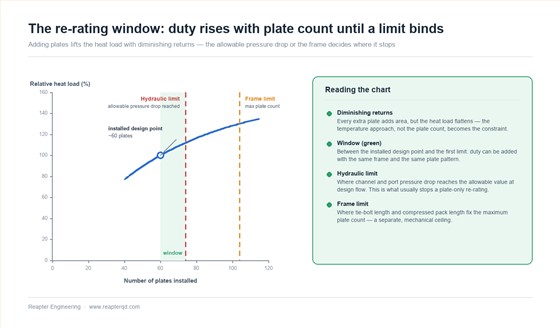
That depends on which limit binds. Adding plates gives a roughly proportional increase in area, but the heat load rises with diminishing returns because the temperature approach tightens. In practice the pressure drop allowance, not the frame, is what stops a plate-only re-rating, so the achievable increase is normally established by the hydraulic calculation.
Will adding plates raise the pressure drop?
Yes. For the same flow, more plates mean narrower channels and higher velocity, so both channel and port pressure drop rise. This is the first thing to check, and it is the usual reason a re-rating stops short of the frame's plate limit.
Can re-rating avoid buying new plates at all?
Sometimes, by changing the pass arrangement of the existing plates. Re-stacking the same plates into a different number of passes changes the velocity and the effective temperature difference without new hardware. It is worth checking before any plates are ordered.
Do new plates have to match the originals?
If they are going into the same frame alongside existing plates, they must match the installed plate in overall size, port pitch, port bore, corrugation depth, chevron angle, thickness and gasket groove profile. Plates that match in geometry can be mixed in a pack; plates that only look similar cannot.
How Reapter supports re-rating projects worldwide
Reapter works from a unit's operating data and the geometry of the installed plate to establish whether a duty increase can be met by adding plates, by re-arranging passes, or by changing the plate pattern — and returns the calculation with the quotation, including the pressure drop at the new flows. Because we manufacture the plates and gaskets, the added plates are produced to the measured geometry of the installed pack, inspected dimensionally before dispatch, and shipped with packing documentation and material certificates on request. This applies to units originally supplied by other manufacturers as well: replacement plates are supplied on a compatible-replacement basis, matched to the installed plate rather than sourced from the original maker.
If you have a unit that is short of duty, send us its operating conditions and a photo of the nameplate — or the measurements from one plate — and we will come back with a re-rating assessment and a delivery schedule that fits your shutdown window.
Reapter Engineering Team · Qingdao Ruipute Heat Exchange Equipment Manufacturing Co., Ltd.
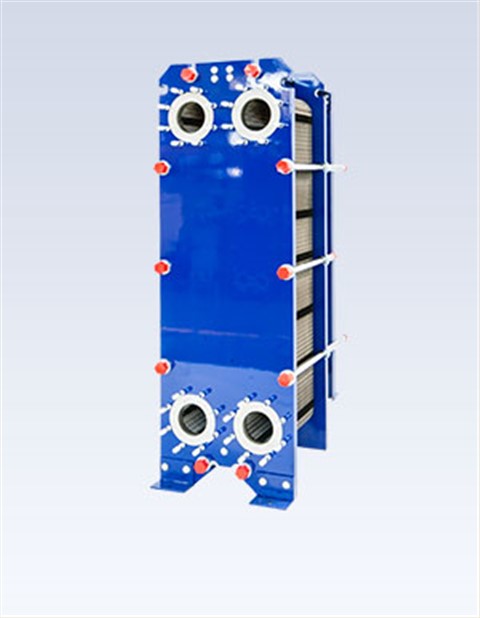 Food grade plate heat exchanger
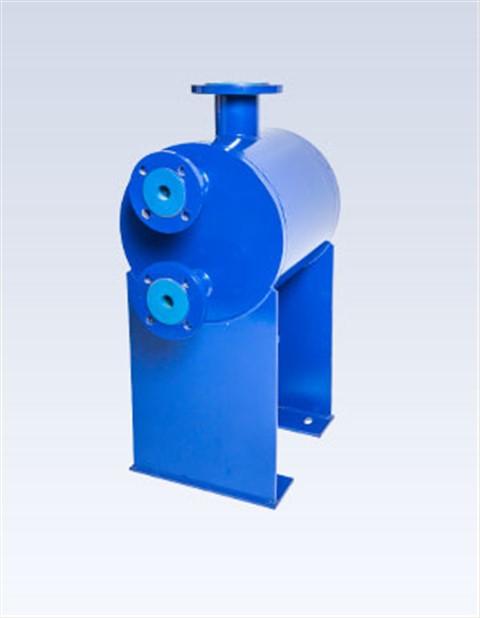 Plate And Shell Heat Exchanger