

What Factors Affect the Heat Transfer Coefficient of a Plate Heat Exchanger?
Plate heat exchangers are widely recognized for their high heat transfer efficiency, compact structure, easy maintenance, and convenient cleaning, making them one of the most popular heat exchange solutions in district heating systems, HVAC, chemical processing, food production, and many other industrial applications.
One of the most important performance indicators of a plate heat exchanger is its heat transfer coefficient (K-value). A higher heat transfer coefficient generally means greater thermal efficiency and a more compact heat exchanger design.
So, what factors influence the heat transfer coefficient of a plate heat exchanger? Below is a professional analysis from Ruipute.
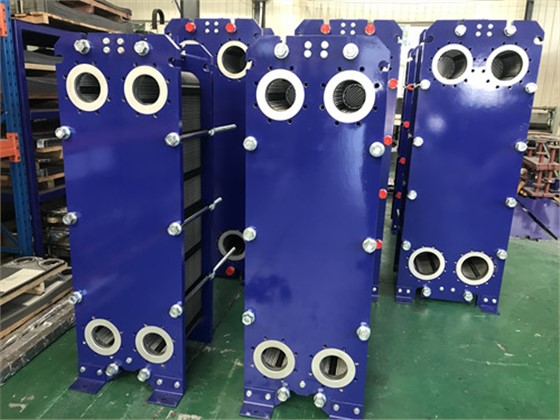
1. Pressure Drop Control
Pressure drop is one of the most critical considerations in plate heat exchanger design because it directly affects heat transfer performance, equipment size, and operating costs.
In most large district heating projects, the pressure drop on the primary side is typically designed to be around 100 kPa, which is generally considered the most economical balance between thermal performance and investment cost.
Under these conditions, the required heat transfer area can satisfy process requirements while keeping equipment costs under control.
Reducing the pressure drop to approximately 50 kPa can further optimize system operation without significantly compromising performance.
However, if the allowable pressure drop is limited to 30 kPa, the required heat transfer area may increase by 15–20%, resulting in:
- Larger equipment dimensions
- Higher initial investment
- Increased maintenance costs
Nevertheless, in systems where the primary circuit operates under relatively low pressure or where strict pressure drop limitations exist, designing for a lower pressure drop remains the preferred solution.
2. Operating Conditions
The operating conditions of a plate heat exchanger have a direct influence on its heat transfer coefficient.
The basic heat transfer equation is:
Q=K×A×ΔTmQ = K \times A \times \Delta T_mQ=K×A×ΔTmWhere:
- Q = Heat transfer capacity
- K = Overall heat transfer coefficient
- A = Heat transfer area
- ΔTm = Log Mean Temperature Difference (LMTD)
The overall heat transfer coefficient is closely related to process conditions such as:
- Flow rate
- Fluid velocity
- Fluid properties
- Inlet and outlet temperatures
- Temperature difference between the two fluids
When the log mean temperature difference (LMTD) is relatively small—as is common in HVAC systems—a larger heat transfer area is required to achieve the same heating or cooling capacity.
Therefore, accurate operating data are essential for selecting the appropriate plate heat exchanger and maximizing thermal efficiency.
3. Plate Corrugation Design
The corrugated pattern embossed on each heat transfer plate plays a vital role in determining both heat transfer performance and pressure loss.
Corrugations increase fluid turbulence inside the flow channels, disrupting the thermal boundary layer and significantly enhancing heat transfer.
Different manufacturers develop proprietary corrugation designs to optimize performance for various applications.
Herringbone Plate Patterns
The herringbone angle has a significant impact on both pressure drop and heat transfer efficiency.
Wide-Angle (Obtuse) Herringbone Plates
Characteristics:
- Higher pressure drop
- Stronger turbulence
- Higher heat transfer coefficient
- Suitable for applications requiring maximum thermal performance
Narrow-Angle (Acute) Herringbone Plates
Characteristics:
- Lower pressure drop
- Lower flow resistance
- Moderate heat transfer performance
- Ideal for systems with limited pumping capacity
For many industrial applications, combining different corrugation angles within the same plate pack allows engineers to achieve the ideal balance between heat transfer efficiency and energy consumption.
When the flow rates on the two fluid sides differ significantly, mixed plate configurations can effectively optimize thermal performance while minimizing pumping costs.
4. Plate Pattern Selection
Modern plate heat exchangers are available with a wide variety of plate designs to suit different operating conditions.
Selecting the appropriate plate pattern allows engineers to improve:
- Heat transfer coefficient
- Pressure distribution
- Fouling resistance
- Energy efficiency
- Overall system reliability
Different industries often require different plate geometries depending on:
- Fluid viscosity
- Flow velocity
- Operating pressure
- Temperature range
- Fouling tendency
At Ruipute, multiple proprietary plate designs have been developed to meet diverse industrial requirements. Each plate pattern is optimized for specific process conditions, enabling excellent thermal performance across a broad range of applications.
How to Improve the Heat Transfer Coefficient of a Plate Heat Exchanger
To maximize heat exchanger performance, engineers should consider the following design strategies:
- Optimize pressure drop according to system requirements.
- Select appropriate operating conditions and accurately calculate LMTD.
- Choose the correct plate corrugation angle for the desired balance between heat transfer and pumping power.
- Use mixed plate configurations when flow conditions differ significantly.
- Select the most suitable plate pattern for the application and process medium.
- Perform regular cleaning and maintenance to minimize fouling and maintain heat transfer efficiency.
Conclusion
The heat transfer coefficient is one of the most important indicators of plate heat exchanger performance. It is influenced by multiple factors, including pressure drop, operating conditions, plate corrugation design, and plate geometry.
By carefully optimizing these factors, users can significantly improve heat transfer efficiency, reduce operating costs, and extend equipment service life.
As a professional plate heat exchanger manufacturer, Ruipute offers a wide range of plate designs, advanced engineering solutions, and high-performance heat exchangers for district heating, HVAC, chemical processing, food production, power generation, and many other industries. With years of manufacturing experience and reliable product quality, we help customers achieve maximum thermal efficiency while minimizing total lifecycle costs.
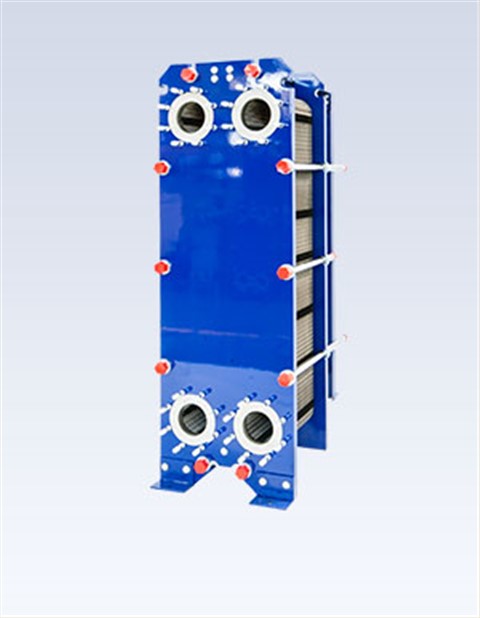 Food grade plate heat exchanger
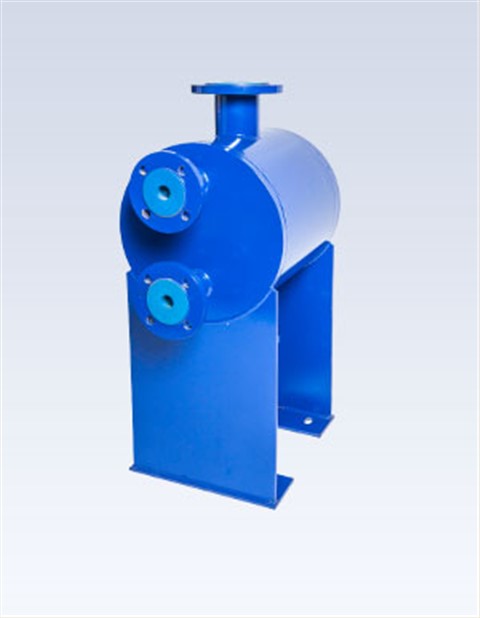 Plate And Shell Heat Exchanger