

Two exchangers can meet the same duty and cost different amounts to own
Purchase price is the number everyone compares, and it is a poor predictor of what an exchanger costs over its life. On most duties the deciding expense arrives later, as cleaning: the labour, the outage, the chemicals, the parts and the performance lost between interventions. A gasketed plate heat exchanger and a shell-and-tube unit that both satisfy the same datasheet do not clean the same way, do not stay clean for the same reasons, and do not recover to the same condition afterwards. Understanding where those costs diverge is worth more to the owner than a few points on the capital line.
Two geometries, two cleaning realities
The mechanical difference is simple and decisive. Open a gasketed plate pack and every square metre of heat transfer surface is exposed: rinsed, brushed, photographed, inspected. Nothing inside the exchanger is hidden from the cleaner. A shell-and-tube unit is the opposite. The tube side is reachable with lances and brushes down the tube bore, but the shell side - the side that usually carries the dirtier fluid in cooling service - is opaque, baffled and accessible only through lanes between support plates. A bundle has to be pulled to inspect it properly, and even after chemical circulation, nobody can visually confirm the shell side is clean.
Corrugation adds a second advantage. The chevron pattern of a plate exchanger promotes turbulence at low velocity, so particles stay suspended and shear stress at the wall is high; many soft fouling layers never gain a foothold. Smooth tube walls encourage the same deposits to settle and bake on, particularly at low shell-side velocity in the baffle windows.
The fouling margin: surface bought against cleaning
Design practice reflects these realities. Shell-and-tube selections conventionally carry generous fouling allowances - excess surface on the order of 20-40 percent is normal - because cleaning is expensive and infrequent, so designers buy thermal headroom to postpone the day. Plate exchangers are specified with far smaller margins, because cleaning is cheap and recovery is nearly complete; buying large excess surface in a plate pack would only lower wall shear and make fouling more likely.
That margin has a running cost. Excess surface in a shell-and-tube running clean transfers heat just fine, but the oversized pump works and the oversized duty cycle persist every operating hour, for years, whether or not fouling ever arrives. It is a subscription paid against a future cleaning that may be cheaper to simply schedule.
The anatomy of one intervention
Compare what a single cleaning actually involves on each geometry.
| Item | Gasketed plate | Shell-and-tube |
|---|---|---|
| Access | Full face of every plate once the pack is opened | Tube bore by lance; shell side opaque until the bundle is pulled |
| Method | Rinse, brush, optional plate-safe chemical soak | Inhibited chemical circulation, then mechanical hydroblasting |
| Typical outage | 1-2 shifts, often planned within a normal stop | 3-7 days including loop setup, circulation and bundle handling |
| Consumables | Water, mild detergent; gaskets if re-sealing | Chemical inventory, neutralisation, blasting water, disposal |
| Parts replaced | Gaskets, and only when their compression life is spent | Plugs; occasionally tube repairs or a re-rolled joint |
| After the clean | Every plate inspected; condition verified before refit | Plugged tubes permanently remove surface; shell side unverified |
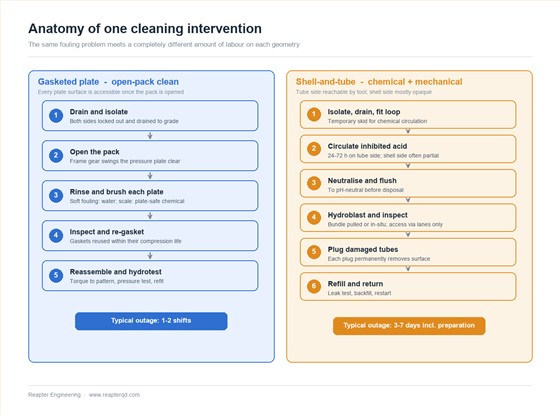
Two lines of the table deserve emphasis. Outage time is usually the largest single cost of cleaning - a production line or a data hall does not care which geometry is inside the shell, it cares how long the loop is down. And the last row compounds: every tube that ends up plugged is surface the exchanger never gets back, which quietly moves the unit closer to its next intervention and, eventually, to replacement.
Ten years of interventions, in one picture
Stack the interventions over a decade and the divergence is visible. The scenario below is an illustrative index, built from typical scopes rather than measured plant data: the plate exchanger takes an open-pack clean roughly every two years; the shell-and-tube takes chemical circulation campaigns on a similar rhythm, plus a mid-life hydroblast and a tube-plugging event. On these scopes the shell-and-tube accumulates about twice the plate exchanger's cleaning-related cost over ten years, before counting the energy penalty of its larger fouling margin or the longer outages.
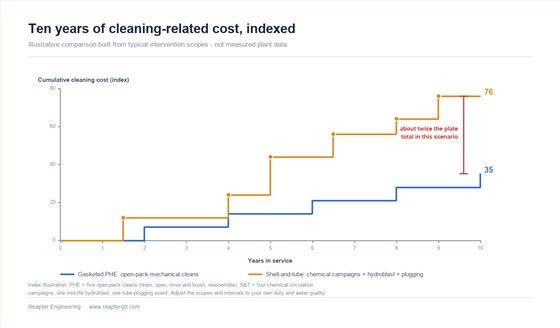
Real numbers vary with duty, water quality and fouling rate, and every operator should rebuild this stack with their own scopes and intervals. The structural point survives the substitution: on the duties both technologies can serve, the plate geometry converts cleaning from a project into a maintenance task.
Recovery: how much performance comes back
The third divergence is what a cleaning buys back. A plate pack reassembled after a proper clean returns essentially to its datasheet approach temperature and pressure drop, because every surface was restored and verified. A chemically cleaned shell-and-tube usually improves, but rarely returns to as-new: residual scale survives in baffle crevices, plugged tubes have removed surface for good, and the shell side remains an act of faith. Owners who track approach temperature against a clean baseline will see this in the trend - the plate exchanger's sawtooth returns to the same floor each time, the shell-and-tube's floor rises slowly over the years.
This is also why a plate exchanger can afford to be cleaned "on condition" - when the approach temperature or pressure drop drifts ten to fifteen percent from the clean baseline - while a shell-and-tube clean is an event that gets deferred, budgeted and approved as a project.
Where the shell-and-tube still wins
None of this makes the plate exchanger universal, and an honest comparison says so. Shell-and-tube remains the right answer for fluids loaded with fibres and large particulates that would bridge a plate port; for duties above gasket limits, where all-welded or brazed construction is required; for very high pressures and temperatures on the tube side; and for services such as reboilers and some condensers where free drainage and vapour volumes favour the shell geometry. Where those conditions apply, the cleaning economics reverse - a fouling slurry that would blind a plate pack in weeks can run for years down a 25 mm tube.
The error to avoid is symmetry: choosing by purchase price alone, in either direction, and letting the cleaning bill arrive unexamined.
What to compare before you buy
- Count the cleanings, not just the price. Estimate intervention frequency for your duty on each geometry, and price the outage hours, not only the consumables.
- Ask how each side is accessed. "Cleanable" means something different when every plate is exposed and when the shell side is opaque.
- Ask for the fouling margin. Twenty to forty percent excess surface is a cost you pay every running hour; a small margin plus scheduled cleaning is often cheaper.
- Define the cleaning trigger. Condition-based triggers on approach temperature and pressure drop beat calendar-based guesses.
- Check recovery, not just cleaning. Ask what fraction of as-new performance each technology returns after its standard clean.
- Price the spares path. Plates and gaskets stocked close to site turn an open-pack clean from a shipment into a shift.
Common questions
Can a plate heat exchanger be cleaned without opening it? Yes, for soft fouling: a clean-in-place loop with a mild circulating solution works well between open-pack cleans. Hard scale and biological layers still end with the pack open, which is precisely why open-pack access should be preserved in the plant layout.
How often should a gasketed plate exchanger be cleaned? On condition, not on the calendar. When the approach temperature or the pressure drop drifts roughly ten to fifteen percent from the clean baseline, open the pack. Duties with hard water or high suspended solids shorten that interval; a closed loop can run for years between cleans.
Is chemical cleaning safe for plates and gaskets? Within limits. Stainless plates tolerate mildly acidic solutions with inhibitors, gasket elastomers have chemical compatibility windows that must be respected, and chloride-bearing cleaners need concentration and temperature control. Follow the plate and gasket maker's guidance rather than a generic acid recipe.
Does every open-pack clean require new gaskets? No. Gaskets can be reused within their compression life; they are replaced when hardened, flattened or damaged at the sealing land. Keeping a gasket set on the shelf costs little and removes the only real consumable risk from the outage.
Conclusion
The cleaning economics of the two geometries differ for structural reasons - full-surface access against an opaque shell, small honest margins against large fouling allowances, full recovery against slow, permanent loss. Reapter supplies gasketed plate heat exchangers sized with margins that reflect how the unit will actually be maintained, and supports operators worldwide with plate and gasket sets, open-pack cleaning guidance and condition-monitoring advice from specification through the life of the unit. If you are weighing plate against shell-and-tube for a duty, or rebuilding your cleaning intervals from real outage costs, send us the duty and the water analysis and our engineering team will run the comparison with you.
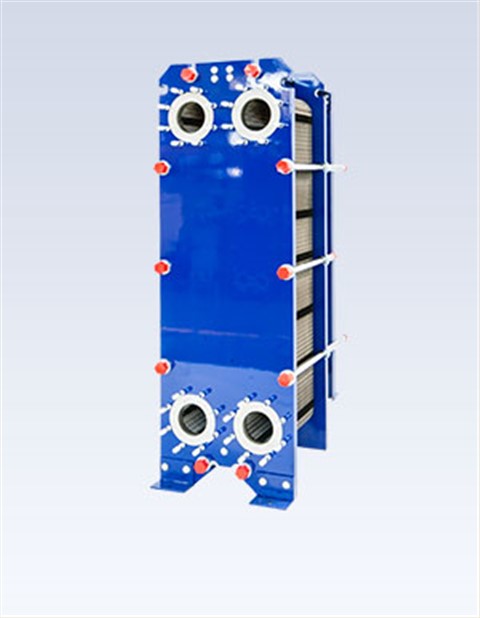 Food grade plate heat exchanger
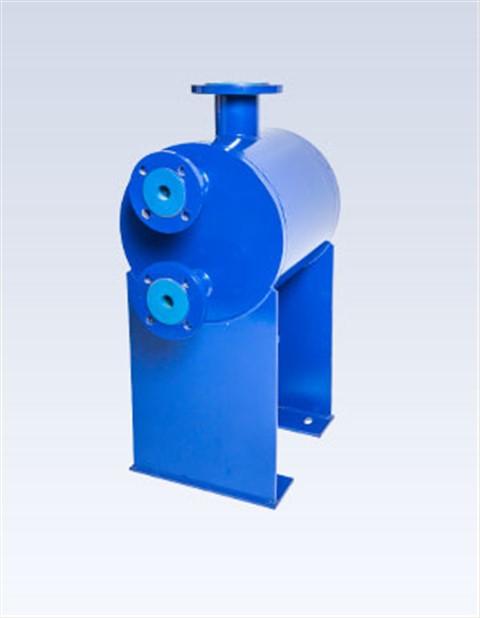 Plate And Shell Heat Exchanger