Chemical Plate Heat Exchangers: Gasket Ageing

The chemical plate heat exchanger gasketis an extremely critical component, and the requirements for the gasket are extremely high in strong corrosive media. When we use, we will find that the gasket aging. What is the cause of this?
For chemical plate heat exchanger gaskets, the elastic properties can be eroded for thermal and chemical reasons, directly leading to a gradual reduction in performance. In general, the factors affecting the life of the gasket can be summarized as follows:1. The impact of the location. Gasket use will be affected by light, climate and the surrounding environment. The life of the gasket will be different for heat exchangers placed outdoors compared to those placed indoors. 2. The effect of working conditions: changes in temperature and pressure have a significant impact on the life of the gasket.
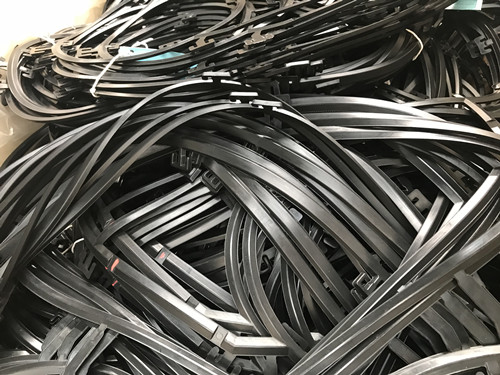
In the case of changing operating conditions, the peak impact on the gasket is more deadly than a long period of constant load. Similarly, longer downtime working time will have some impact on gasket life.3. Influence of flowing medium: The medium flowing through different plate designs has a greater impact on the life of the gasket. How to choose the right seal, fluid materials and use conditions can not be perfect, cooling, heating additives, inhibitors and other mixtures are often ignored in the design process, these substances are easy to penetrate the seal, the physical properties of the seal damage.
The above is the chemical plate heat exchanger gasket causes related to the introduction made, more about the plate heat exchanger content, please off Ripert official website!
Related information
- Heating Plate Heat Exchangers: Design & Application
- China heat exchanger manufacturers, breakthrough years of technology monopoly on this point!
- Why your plate heat exchanger gasket swelling happens?
- What things should I be aware of when replacing plate heat exchanger spare parts?
- How to Re-rate a Plate Heat Exchanger for Higher Duty
- Semi-Welded Design for Plate Heat Exchangers
Relevant article
- Chemical Plate Heat Exchanger: Lubricant Roles & Care
- Heat Station Plate Heat Exchangers: Design & Application
- Heat Station Plate Heat Exchangers: Installation Guide
- Boiler Plate Heat Exchangers: Maintenance Guide
- The Integrated Heat Exchanger Unit: An Efficient Integration and Intelligent Control Solution for Thermal Energy Conversion
- Sulfuric Acid Plate Heat Exchangers: Design & Application
- Coal Chemical Plate Heat Exchangers: Cleaning & Maintenance
- Petrochemical Plate Heat Exchangers: Design & Application
- Chemical Plate Heat Exchangers: Gasket Ageing
- Sulfuric Acid Plate Heat Exchangers: Design & Application
Latest information
- Chemical Plate Heat Exchanger: Lubricant Roles & Care
- Heat Station Plate Heat Exchangers: Design & Application
- Heat Station Plate Heat Exchangers: Installation Guide
- Boiler Plate Heat Exchangers: Maintenance Guide
- The Integrated Heat Exchanger Unit: An Efficient Integration and Intelligent Control Solution for Thermal Energy Conversion
- Sulfuric Acid Plate Heat Exchangers: Design & Application
- Coal Chemical Plate Heat Exchangers: Cleaning & Maintenance
- Petrochemical Plate Heat Exchangers: Design & Application
- Chemical Plate Heat Exchangers: Gasket Ageing
- Sulfuric Acid Plate Heat Exchangers: Design & Application