Heating Plate Heat Exchangers: Material Selection

In the process of instant noodle production, the stainless steel plate and shell heat exchanger is a special heat exchange equipment that uses a high-temperature heat carrier to quickly increase the temperature of the frying oil. The reasonable selection and correct operation and maintenance of the heat exchanger are to ensure that the palm
The oil reaches the frying temperature required by the process, which meets the key links of safety, continuous, quality, and output.
Aiming at the physical characteristics of palm oil during the heating and frying process, Qingdao RPT specially developed and designed a detachable stainless steel plate and shell heat exchanger. The palm oil will leave residue after frying, and the remaining residue will follow the palm oil cycle heating
When entering the plate and shell heat exchanger, blockage may occur. In view of this situation, the design of the detachable version can disassemble and clean the equipment at any time to ensure the smooth flow of the flow channel.
In the process of heating palm oil, the continuous and normal operation of the stainless steel plate and shell heat exchanger is one of the most important links. It is particularly important to ensure the stable and reliable operation of the heating equipment, and to formulate a scientific and reasonable operation system and regular maintenance system.
, The temperature difference between the cold and hot media at the initial start-up is relatively large, and the oil viscosity on the palm oil side is relatively large, and the resistance is relatively large. Therefore, the flow rate of palm oil should not be too large at the beginning, and the steam side should not rise to
Maximum operating pressure.
In the production process of heating palm oil with saturated steam, the use of stainless steel plate and shell heat exchangers is a more professional heat exchange equipment compared to food production enterprises. Therefore, understand the structural characteristics of the equipment and master the correct method to make the equipment.
It is especially important to use.
The oil reaches the frying temperature required by the process, which meets the key links of safety, continuous, quality, and output.
Aiming at the physical characteristics of palm oil during the heating and frying process, Qingdao RPT specially developed and designed a detachable stainless steel plate and shell heat exchanger. The palm oil will leave residue after frying, and the remaining residue will follow the palm oil cycle heating
When entering the plate and shell heat exchanger, blockage may occur. In view of this situation, the design of the detachable version can disassemble and clean the equipment at any time to ensure the smooth flow of the flow channel.
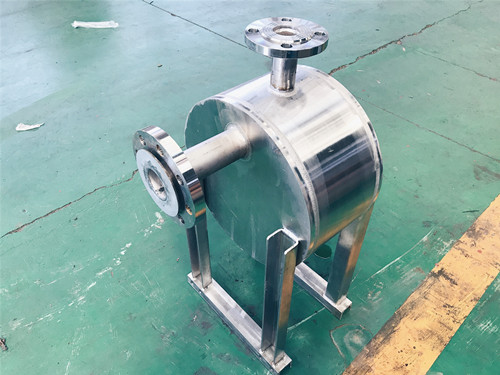
In the process of heating palm oil, the continuous and normal operation of the stainless steel plate and shell heat exchanger is one of the most important links. It is particularly important to ensure the stable and reliable operation of the heating equipment, and to formulate a scientific and reasonable operation system and regular maintenance system.
, The temperature difference between the cold and hot media at the initial start-up is relatively large, and the oil viscosity on the palm oil side is relatively large, and the resistance is relatively large. Therefore, the flow rate of palm oil should not be too large at the beginning, and the steam side should not rise to
Maximum operating pressure.
In the production process of heating palm oil with saturated steam, the use of stainless steel plate and shell heat exchangers is a more professional heat exchange equipment compared to food production enterprises. Therefore, understand the structural characteristics of the equipment and master the correct method to make the equipment.
It is especially important to use.
【Paper label】:instant noodle plate and shell heat exchanger
Related information
- Plate and shell heat exchangers on TCU devices
- Winter Shutdown and Freeze Protection for Plate Heat Exchangers
- Plate heat exchanger plate quality requirements
- The small corrugation of the plate heat exchanger plate has such a big effect!
- Plate Heat Exchangers in Thermal Oil Systems: Seals, Film Temperature and When to Weld
- The application of plate and shell heat exchanger in power plant flue gas recovery
Relevant article
- Chemical Plate Heat Exchanger: Lubricant Roles & Care
- Heat Station Plate Heat Exchangers: Design & Application
- Heat Station Plate Heat Exchangers: Installation Guide
- Boiler Plate Heat Exchangers: Maintenance Guide
- The Integrated Heat Exchanger Unit: An Efficient Integration and Intelligent Control Solution for Thermal Energy Conversion
- Sulfuric Acid Plate Heat Exchangers: Design & Application
- Coal Chemical Plate Heat Exchangers: Cleaning & Maintenance
- Petrochemical Plate Heat Exchangers: Design & Application
- Chemical Plate Heat Exchangers: Gasket Ageing
- Sulfuric Acid Plate Heat Exchangers: Design & Application
Latest information
- Chemical Plate Heat Exchanger: Lubricant Roles & Care
- Heat Station Plate Heat Exchangers: Design & Application
- Heat Station Plate Heat Exchangers: Installation Guide
- Boiler Plate Heat Exchangers: Maintenance Guide
- The Integrated Heat Exchanger Unit: An Efficient Integration and Intelligent Control Solution for Thermal Energy Conversion
- Sulfuric Acid Plate Heat Exchangers: Design & Application
- Coal Chemical Plate Heat Exchangers: Cleaning & Maintenance
- Petrochemical Plate Heat Exchangers: Design & Application
- Chemical Plate Heat Exchangers: Gasket Ageing
- Sulfuric Acid Plate Heat Exchangers: Design & Application